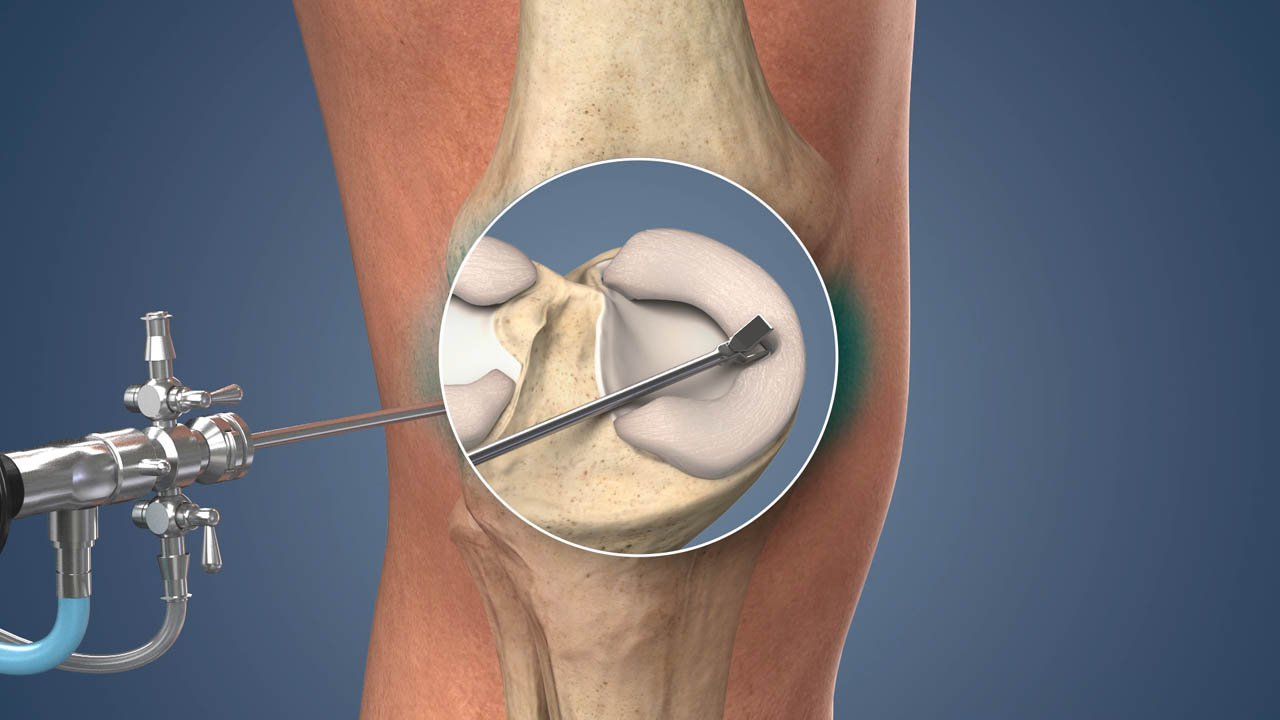
Arthroscopy
What Is Arthroscopy?
Arthroscopy is a type of keyhole surgery used to diagnose and treat joint problems. Surgeons use a tiny camera called an arthroscope and small tools to see inside your joint and fix any damage. This modern technique helps patients recover faster with less pain and fewer scars.
Why Is Arthroscopy Done?
Doctors recommend arthroscopy when:
- You have joint pain that doesn’t go away
- Imaging (like MRI or X-ray) shows joint damage
- Other treatments like medicine or therapy don’t work
- You have swelling, locking, or weakness in a joint
It is often used for knees, shoulders, elbows, ankles, wrists, and hips.
Common Conditions Treated with Arthroscopy
Arthroscopy helps treat many joint problems, such as:
- Torn cartilage or meniscus
- Damaged ligaments (like ACL tears)
- Rotator cuff injuries
- Loose bone or cartilage fragments
- Inflamed joint linings
- Shoulder impingement
- Recurrent joint swelling
It’s a preferred option because it's less invasive and highly effective.
What Happens During the Procedure?
Here’s what to expect:
- Anesthesia – You’ll be given local, spinal, or general anesthesia
- Small Incisions – The surgeon makes 2–3 tiny cuts near your joint
- Camera and Tools Inserted – The arthroscope shows a clear view inside the joint
- Repair Work – Damaged tissue is trimmed, stitched, or removed
- Closing – The cuts are closed with stitches or small strips
The surgery usually takes less than an hour.
Benefits of Arthroscopy
Many patients choose arthroscopy because it offers:
- Smaller incisions and less scarring
- Less pain after surgery
- Quicker return to daily activities
- Lower risk of infection
- Shorter hospital stay (or none at all)
It’s a safe, effective way to restore joint health.
What to Expect After Surgery
After surgery, you may experience:
- Mild swelling or soreness
- A need to rest the joint for a few days
- A physical therapy plan to regain strength
- A follow-up visit to check healing
Most people return to light activities in a few days and full recovery in weeks.
Possible Risks and Complications
Although rare, some risks include:
- Infection
- Bleeding
- Blood clots
- Joint stiffness
- Nerve or tissue damage
Following your doctor’s instructions can greatly reduce these risks.
Tips for a Smooth Recovery
To heal faster:
- Keep the surgical site clean and dry
- Take medications as prescribed
- Attend all therapy sessions
- Avoid heavy lifting or strain
- Stay active (only as advised by your doctor)
Taking small steps daily will help you recover completely.
Dr. Anurag Varshney
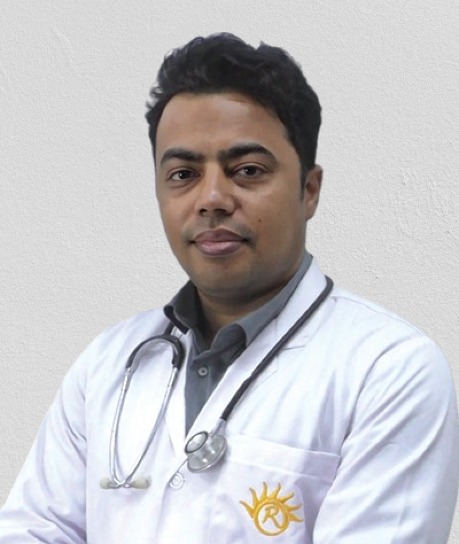
M.B.B.S., M.S. (Ortho),
Senior Orthopedic Surgeon
Ex Consultant Orthopedic Surgeon PGIMER
Ex Assistant Professor RML Hospital, New Delhi