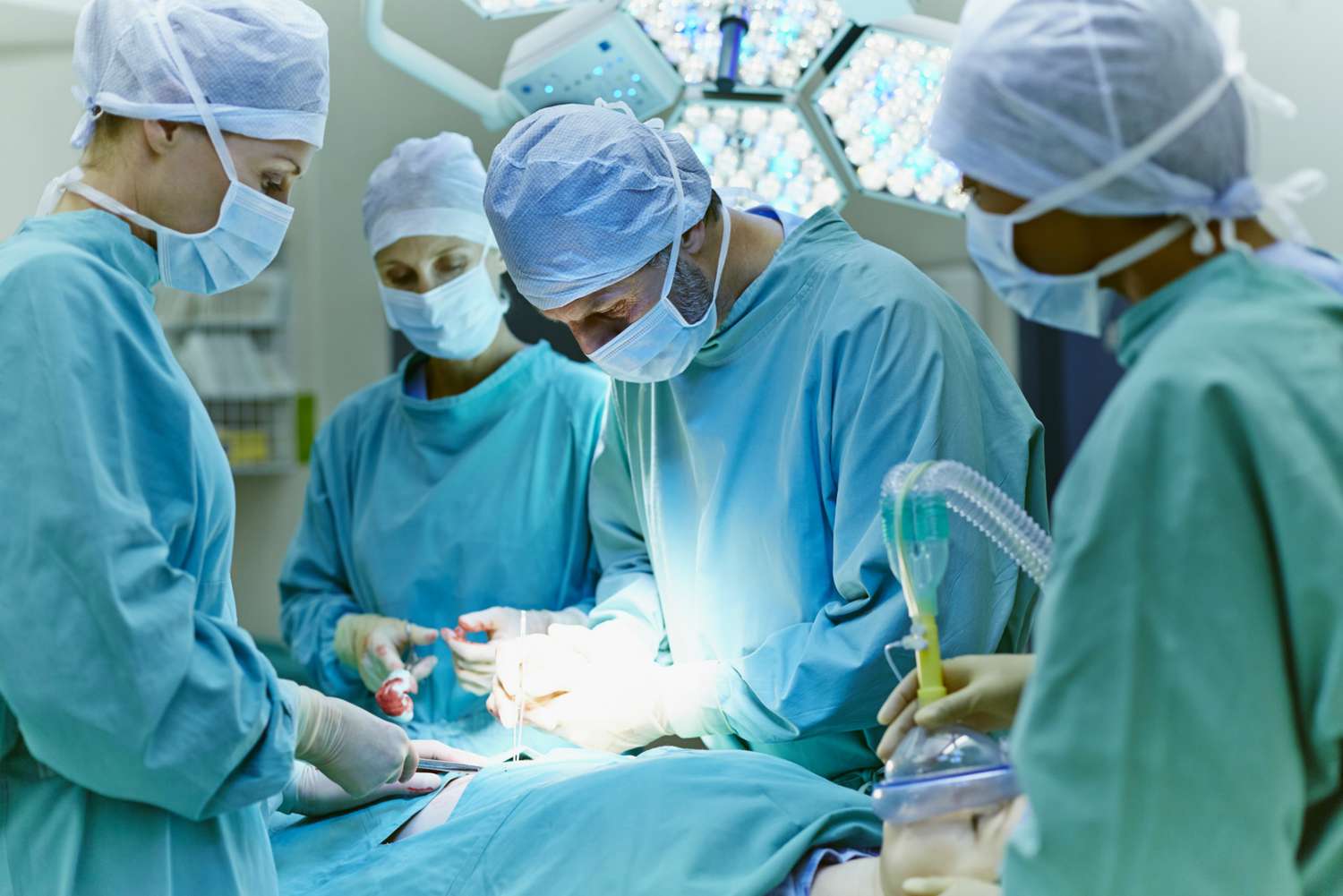
Trauma Surgery
What Is Trauma Surgery?
Trauma surgery is a critical medical specialty. It focuses on treating severe, life-threatening injuries. These injuries often result from accidents, falls, violence, or disasters. Trauma surgeons respond quickly. Their goal is to stabilize patients and perform emergency procedures.
Role of a Trauma Surgeon
A trauma surgeon works fast. They make crucial decisions in high-pressure situations. These professionals treat internal bleeding, fractures, organ damage, and other serious injuries. Their duties often include:
- Performing emergency surgeries
- Coordinating with ER and ICU teams
- Managing post-operative care
- Monitoring patient progress
They are always on call, ready to save lives.
Common Injuries Treated in Trauma Surgery
Trauma surgery deals with a wide range of injuries. These include:
- Blunt force trauma from vehicle collisions
- Penetrating wounds like gunshots or stabbings
- Head and spinal injuries
- Abdominal trauma
- Fractures and crush injuries
Each case requires rapid assessment and tailored surgical care.
Emergency Room vs. Trauma Surgery
Not all emergencies require trauma surgery. The ER handles many urgent cases. However, trauma surgery becomes essential when injuries are extreme. If a patient has multiple severe injuries, trauma surgeons take the lead.
Advanced Tools in Trauma Care
Modern trauma surgery relies on advanced technology. This includes:
- CT scans and MRIs for internal imaging
- Portable X-rays for quick diagnoses
- Robotic surgery in complex cases
- Laparoscopy for minimally invasive procedures
These tools improve accuracy, speed, and outcomes.
Why Speed Matters in Trauma Surgery
Time is critical in trauma cases. Surgeons must act fast to prevent complications. Early intervention reduces bleeding, lowers the risk of infection, and boosts survival rates.
Training and Expertise Required
Becoming a trauma surgeon takes years. It starts with medical school. Then, doctors complete a general surgery residency. After that, they undergo fellowship training in trauma and critical care. Their expertise blends surgical skill and crisis management.
Importance of Trauma Centers
Trauma centers are specialized hospitals. They are equipped to handle major injuries. These centers have 24/7 surgical teams, advanced equipment, and blood banks. Level I trauma centers offer the highest level of care.
Life After Trauma Surgery
Recovery doesn't end after surgery. Trauma patients often need:
- Rehabilitation for physical recovery
- Mental health support to cope with trauma
- Follow-up care to monitor healing
- Nutritional support for faster recovery
A team approach ensures better outcomes.
Conclusion: Trauma Surgery Saves Lives
Trauma surgery is vital. It gives critically injured patients a fighting chance. Surgeons work under immense pressure. Their quick actions often make the difference between life and death.
Whether it's a car crash or a fall, trauma surgeons are the heroes in scrubs—ready to save lives at a moment’s notice.
Dr. Anurag Varshney

M.B.B.S., M.S. (Ortho),
Senior Orthopedic Surgeon
Ex Consultant Orthopedic Surgeon PGIMER
Ex Assistant Professor RML Hospital, New Delhi