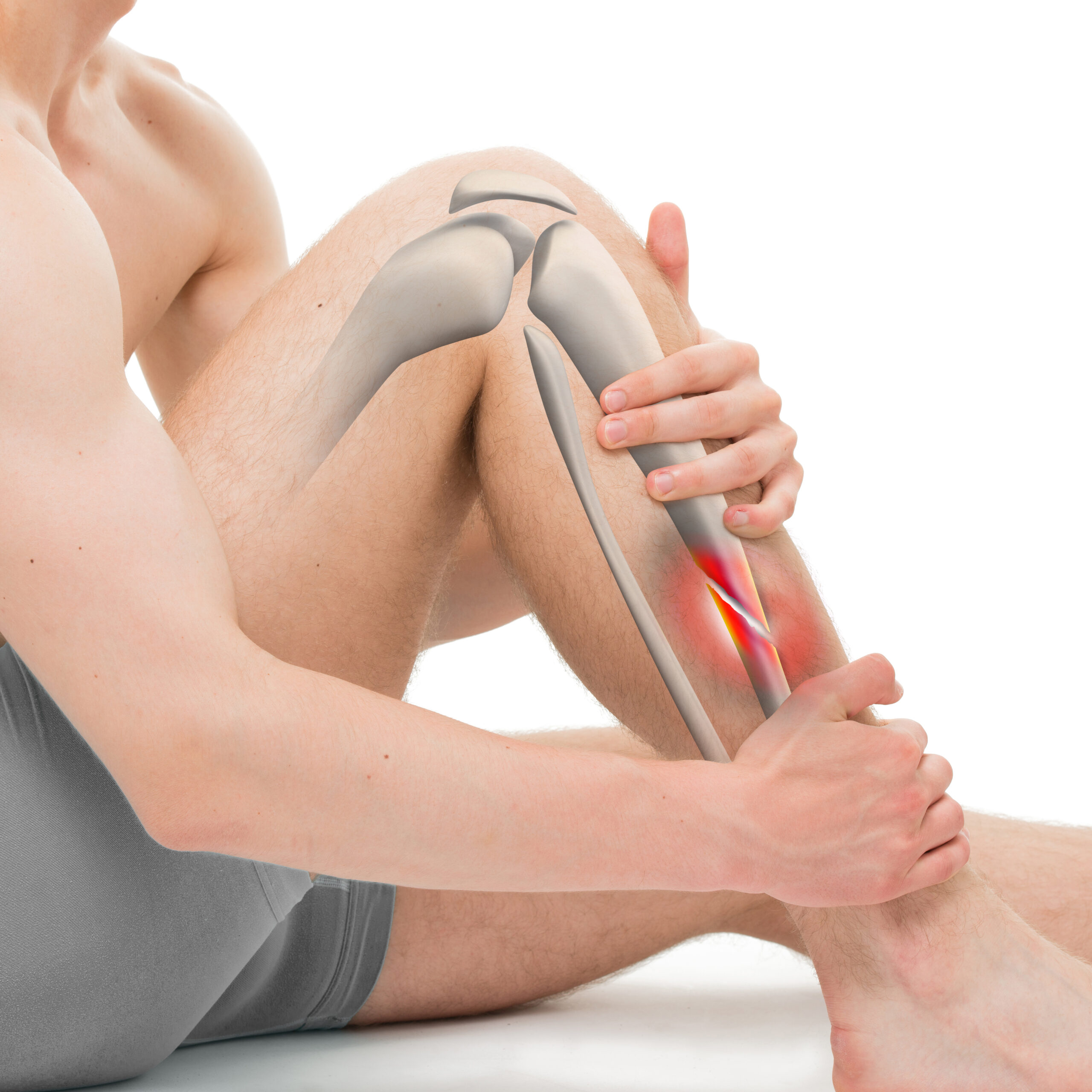
Fracture Surgery
Understanding Fracture Surgery
If you’ve broken a bone, your doctor might recommend fracture surgery. This procedure helps realign and fix the broken parts of your bone using special tools like metal plates, screws, or rods. The goal is to help your bone heal properly and get you back on your feet faster.
Do You Really Need Surgery?
Not all fractures need surgery. But you might need it if:
- The bone is badly out of place
- The fracture goes through the skin
- There are multiple breaks in one bone
- The injury affects a joint or limits movement
- Healing is slow or not happening at all
Your doctor will guide you based on your X-rays, age, health, and activity level.
Common Bones That May Need Surgery
Fracture surgery is common for:
- Hips (especially in older adults)
- Wrists (after a fall)
- Ankles (after a twist or impact)
- Shoulders and collarbones
- Thigh bones (femur)
- Spine fractures
If you’re dealing with one of these, surgery may be the best path to recovery.
How the Surgery Works
Here’s what to expect during fracture surgery:
- Anesthesia – You won’t feel pain during the operation.
- Realignment – The surgeon puts your bone back in place.
- Fixation – Plates, screws, rods, or wires hold your bone together.
- Closure – The incision is closed with stitches or staples.
The surgery usually lasts 1 to 2 hours. You may go home the same day or stay overnight, depending on your injury.
Your Recovery Journey
After surgery, healing takes time. You’ll likely need:
- Rest – Avoid putting weight or pressure on the injured area.
- Physical therapy – Helps you regain strength, balance, and movement.
- Medications – To manage pain and prevent infections.
- Follow-up visits – To check your bone healing through X-rays.
Most people start feeling better in a few weeks, but full recovery can take several months.
What Are the Benefits of Surgery?
Surgery offers many advantages:
- Helps your bone heal in the correct position
- Reduces the risk of long-term pain or stiffness
- Speeds up your return to normal activities
- Lowers the chance of the bone healing the wrong way
You’ll also avoid complications that can happen when bones stay misaligned.
What Are the Risks?
Every surgery has some risks. These may include:
- Infection at the surgical site
- Blood clots
- Delayed healing or failure to heal
- Pain from the hardware (sometimes it needs to be removed later)
Your surgeon will talk to you about how these risks are managed.
How to Help Your Bone Heal Faster
You play a big role in your recovery. Here’s how you can help:
- Follow your doctor’s advice at every stage
- Eat a healthy diet rich in calcium and vitamin D
- Avoid smoking, which slows bone healing
- Keep moving (with your therapist’s help) to prevent stiffness
- Rest when needed, but stay active as allowed
Healing takes patience—but every step matters.
Final Thoughts: You’re on the Path to Recovery
Fracture surgery can feel scary, but it's often the best way to heal strong and fast. With expert care and your commitment, you’ll be walking, lifting, or moving freely again soon. Trust your medical team, stay positive, and take it one day at a time.
Dr. Anurag Varshney

M.B.B.S., M.S. (Ortho),
Senior Orthopedic Surgeon
Ex Consultant Orthopedic Surgeon PGIMER
Ex Assistant Professor RML Hospital, New Delhi