Signs of Heart Blockage You Should Never Ignore
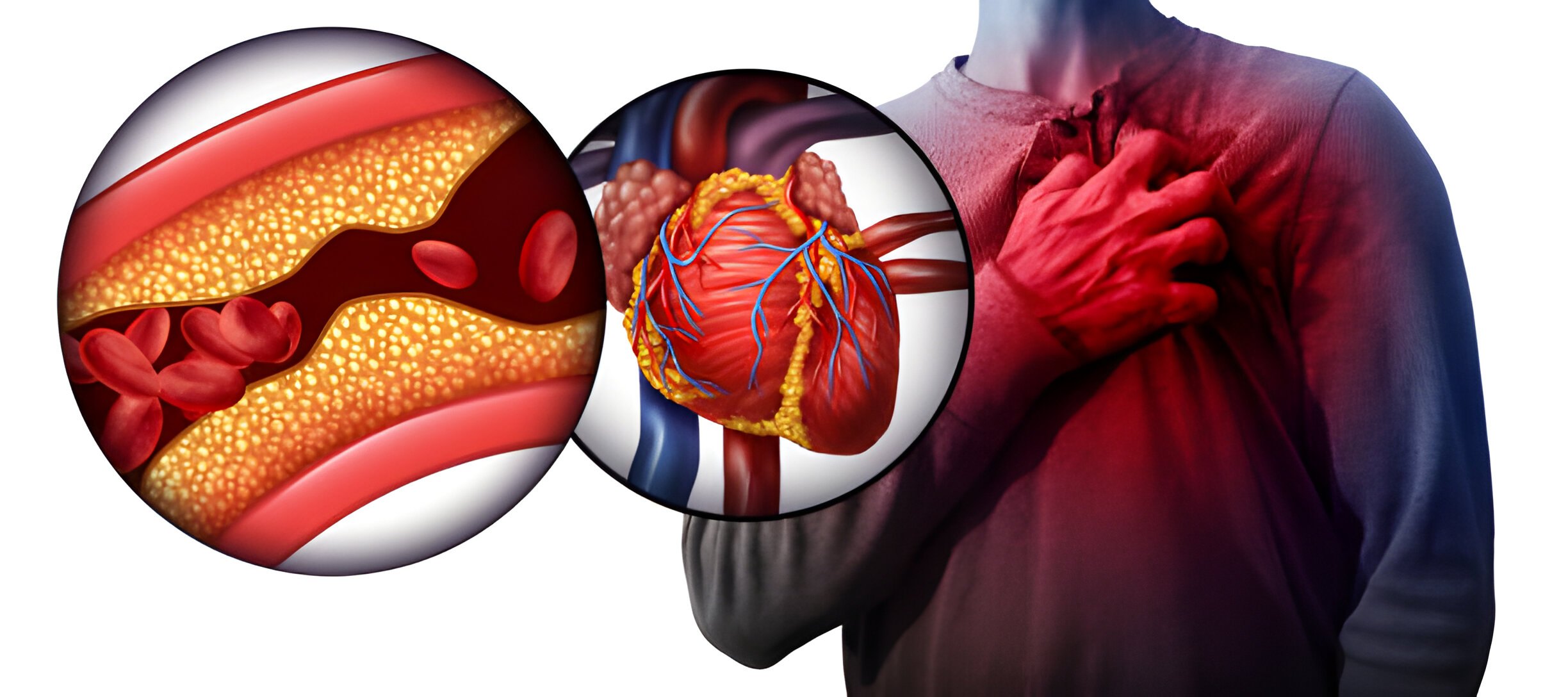
Heart diseases have become increasingly common due to modern lifestyles, unhealthy diets, stress, and lack of physical activity. One of the most serious heart-related conditions is Coronary Artery Disease, commonly referred to as heart blockage. This condition occurs when the arteries that supply blood to the heart become narrowed or blocked because of plaque buildup made of cholesterol, fat, and other substances.
When blood flow to the heart is reduced, the heart muscle does not receive enough oxygen. If left untreated, this condition can lead to severe complications, including a Heart Attack. Understanding the early warning signs of heart blockage is essential because timely diagnosis and treatment can prevent life-threatening events.
In this blog, I will explain the common symptoms, causes, and prevention methods related to heart blockage that everyone should be aware of.
What is Heart Blockage?
Heart blockage occurs when plaque accumulates inside the coronary arteries. This process is known as Atherosclerosis, where fatty deposits gradually narrow the arteries and restrict blood flow to the heart.
Initially, this condition may not cause noticeable symptoms. However, as the blockage increases, the heart begins to struggle to pump blood effectively, which leads to various warning signs.
Early detection plays a crucial role in preventing serious heart complications.
Signs of Heart Blockage You Should Never Ignore
Chest Pain or Pressure
One of the most common symptoms of heart blockage is chest discomfort, medically known as Angina. Patients may feel tightness, pressure, or burning in the chest, particularly during physical activity or emotional stress.
The pain may last for a few minutes and may improve with rest. However, recurring chest discomfort should always be evaluated by a doctor.
Shortness of Breath
Shortness of breath can occur when the heart is unable to pump enough oxygen-rich blood due to blocked arteries. People may experience breathlessness during activities such as walking, climbing stairs, or exercising.
In some cases, breathing difficulty may occur even during rest, indicating more advanced heart disease.
Unusual Fatigue
Persistent fatigue without a clear cause can be an early warning sign of heart blockage. When the heart struggles to pump blood effectively, the body receives less oxygen, which leads to tiredness and low energy levels.
This symptom is often reported by patients weeks before a serious cardiac event.
Pain in the Arm, Neck, Jaw, or Back
Heart-related pain does not always stay in the chest. It may spread to nearby areas such as the left arm, shoulders, neck, jaw, or upper back.
This type of radiating pain may sometimes indicate Myocardial Infarction, which is the medical term for a heart attack.
Nausea or Indigestion
Some patients experience symptoms similar to digestive problems, including nausea, stomach discomfort, or indigestion. Because these symptoms can mimic gastrointestinal issues, many people overlook them.
If digestive discomfort occurs along with chest pain or fatigue, it should be taken seriously.
Cold Sweats
Sudden sweating without physical exertion can signal reduced blood supply to the heart. Cold sweats combined with chest discomfort or dizziness may indicate an emergency situation.
Immediate medical attention should be sought if these symptoms appear.
Dizziness or Lightheadedness
When the heart cannot pump enough blood to the brain, a person may experience dizziness, fainting, or lightheadedness. Repeated episodes of dizziness should always be medically evaluated.
Irregular Heartbeat
Blocked arteries can sometimes cause abnormal heart rhythms known as Arrhythmia. Patients may feel heart palpitations, a racing heartbeat, or skipped beats.
While occasional palpitations can occur due to stress or caffeine, persistent irregular heartbeats should not be ignored.
Causes and Risk Factors
Several factors contribute to the development of heart blockage. The most common risk factors include:
- High cholesterol levels
- High blood pressure
- Smoking or tobacco use
- Diabetes
- Obesity
- Sedentary lifestyle
- Unhealthy diet
- Chronic stress
- Family history of heart disease
Managing these risk factors plays a vital role in preventing heart disease.
How Heart Blockage is Diagnosed
Doctors may recommend several tests to detect blocked arteries and assess heart health.
Common diagnostic tests include:
- Electrocardiogram (ECG) to measure the heart’s electrical activity
- Echocardiogram to evaluate heart structure and function
- Stress Test to monitor heart performance during exercise
- CT Coronary Angiography for detailed imaging of coronary arteries
- Coronary Angiography to identify the severity and location of arterial blockage
Early diagnosis allows doctors to start appropriate treatment and reduce the risk of complications.
Treatment Options
Treatment depends on the severity of the blockage and the patient’s overall health.
Lifestyle Changes
Healthy lifestyle habits such as regular exercise, a balanced diet, quitting smoking, and managing stress can significantly improve heart health.
Medications
Doctors may prescribe medications to lower cholesterol, control blood pressure, prevent blood clots, and relieve chest pain.
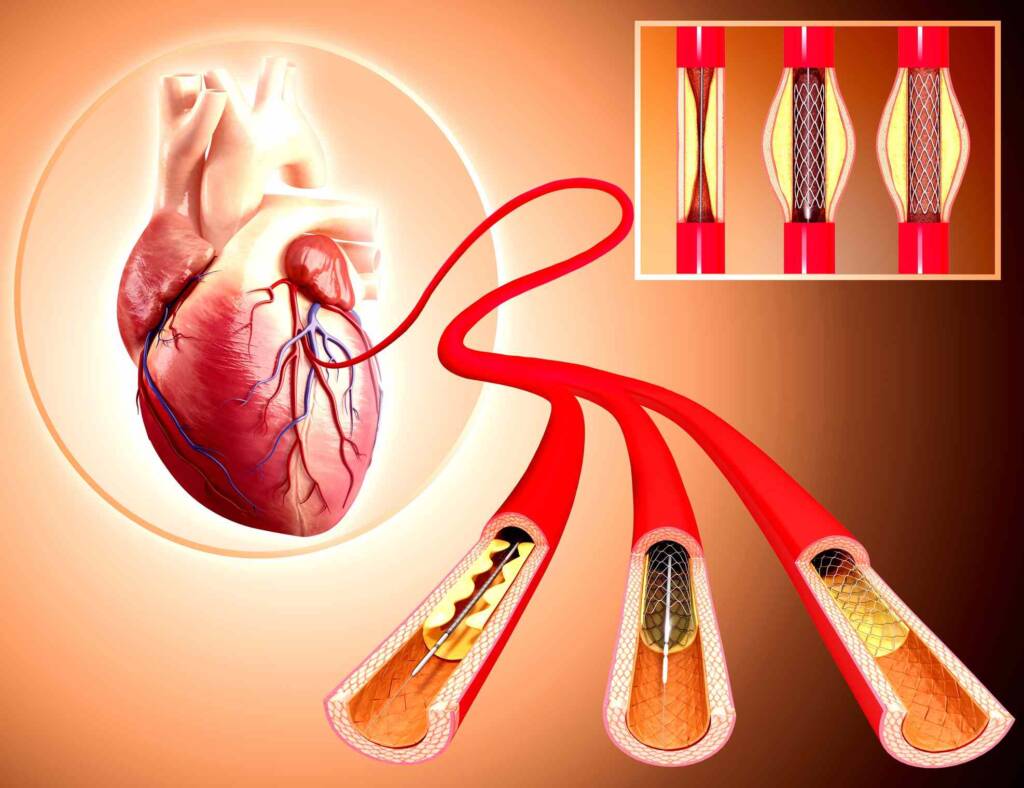
Angioplasty and Stent
This minimally invasive procedure uses a balloon to open blocked arteries and places a stent to maintain blood flow.
Bypass Surgery
In severe cases, Coronary Artery Bypass Grafting may be required to create a new pathway for blood flow around the blocked artery.
Dr. Anurag Varshney

M.B.B.S., M.S. (Ortho),
Senior Orthopedic Surgeon
Ex Consultant Orthopedic Surgeon PGIMER
Ex Assistant Professor RML Hospital, New Delhi